There are coves in the Valencian Community that you absolutely must visit—whether to break away from your usual beach routine or to spend a special day a little ways from home. Here we’ve compiled some of thebest coves near Valencia, scatteredthroughout the Valencian Community. Crystal-clear waters, fine sand, and activities like scuba diving await you.

It’s the perfect blend of beach and nature. You can admire the area’s characteristicvegetationwhile dipping your toes in itscrystal-clear waters. Get there by car or on foot—whichever suits you best. It’s the perfect beach for snorkeling. It also reminds you of a beach on the Greek islands, even though it’s one of the coves closest to the city of Valencia.
This cove also features an elevated restaurant that offers one of the best panoramic views of the surroundings. The restaurant is called Cala Clémence and has direct access to the beach from its terrace.
This beach may have capacity limits during the summer months.
Cala en Caló
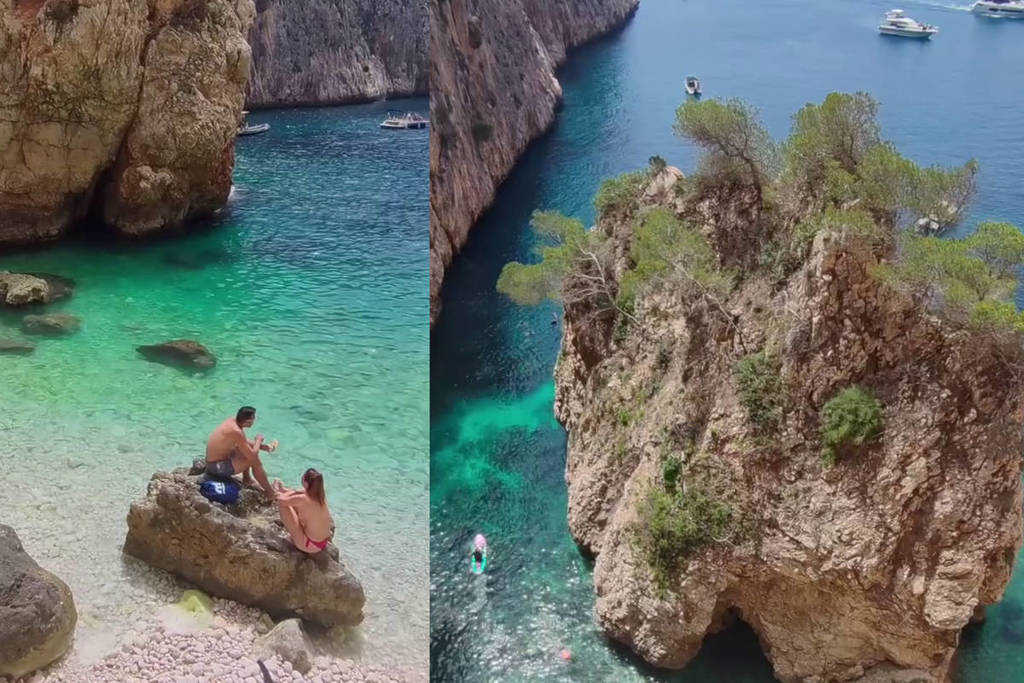
It’s located between Cala Granadella and Cala Ambolo. It’s known as Xàbia’s “secret cove” because it’s hard to reach (accessible only by sea) and its unspoiled surroundings make it ideal for kayaking and snorkeling.

The Benissa nature trailhides one of the best coves in the Valencian Community. To reach it, you’ll need to follow the northern route,as described in this guide, untilyou reach a wild beach surrounded by rocks, from which you can access “Mar Morta i Roques Negres,” a landscape of great geological value.
La Renegà
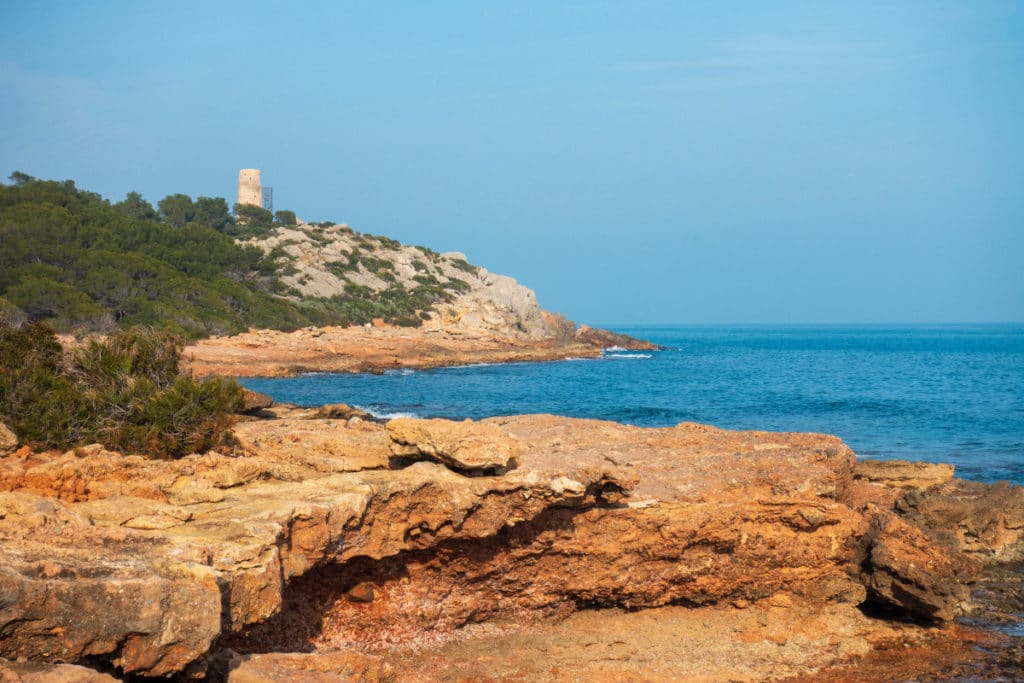
This cove is a gem. It’s located in an ideal setting,surrounded by pine forests. You can get there by car or via the greenway that runs along an old railroad track. Cozy and peaceful.

Baladrar Cove in Benissa is a quiet beach in Alicante withcrystal-clear waters and a rich variety of flora and fauna, ideal for snorkeling and families. It has basic amenities and a beach bar, although it’s difficult to access and requires appropriate footwear due to the rocky terrain.
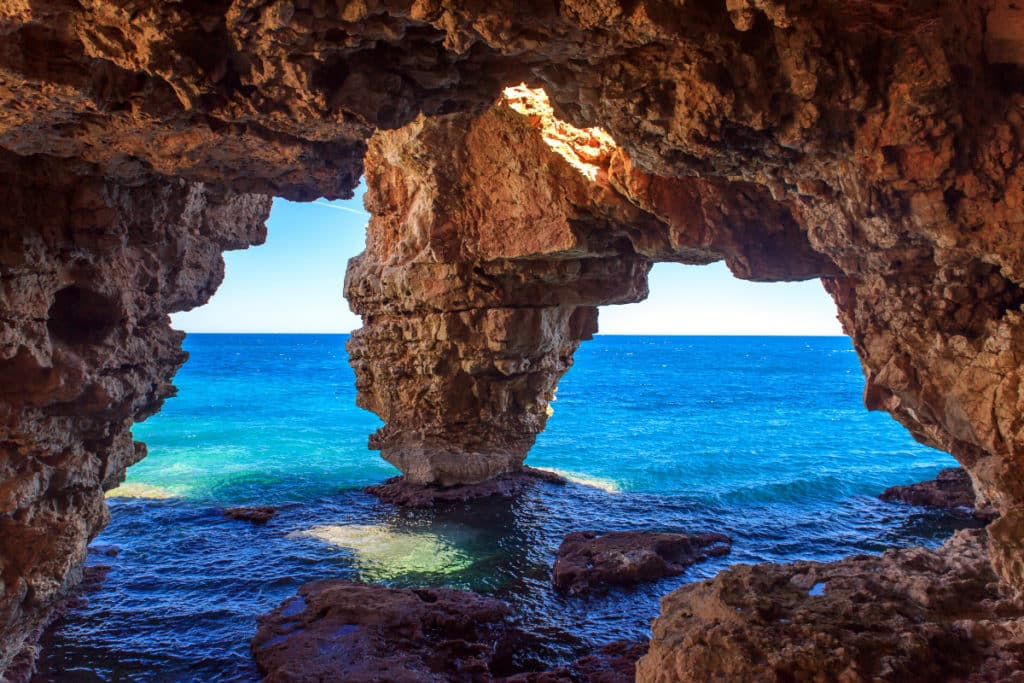
Cala del Moraig is located in Benitatxell, right between Xàbia and Moraira, and consists of two parts: the beach itself and theCova dels Arcs, possibly its most photographed nook. It’s the perfect spot to spend a summer morning thanks to its excellent conditions for snorkeling and its rocky area.
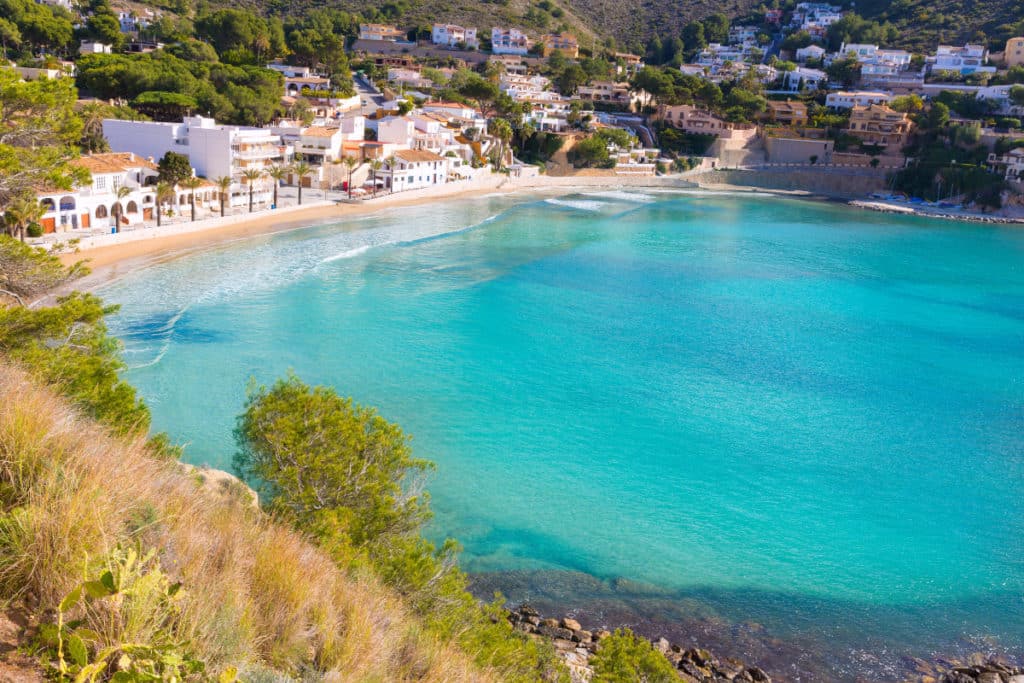
El Portet de Moraira is a semi-urban cove awarded the Blue Flag that offers all the delights of paradise: a stunning seabed, opportunities to go kayaking, paddleboarding, or scuba diving, and a wide variety of dining options right on the beach.
It’s no surprise that it’s so popular among the coves throughout Valencia, so it’s advisable to arrive early to ensure you can find parking in the designated parking areas.
Cala Mundina and Cala de Ribamar
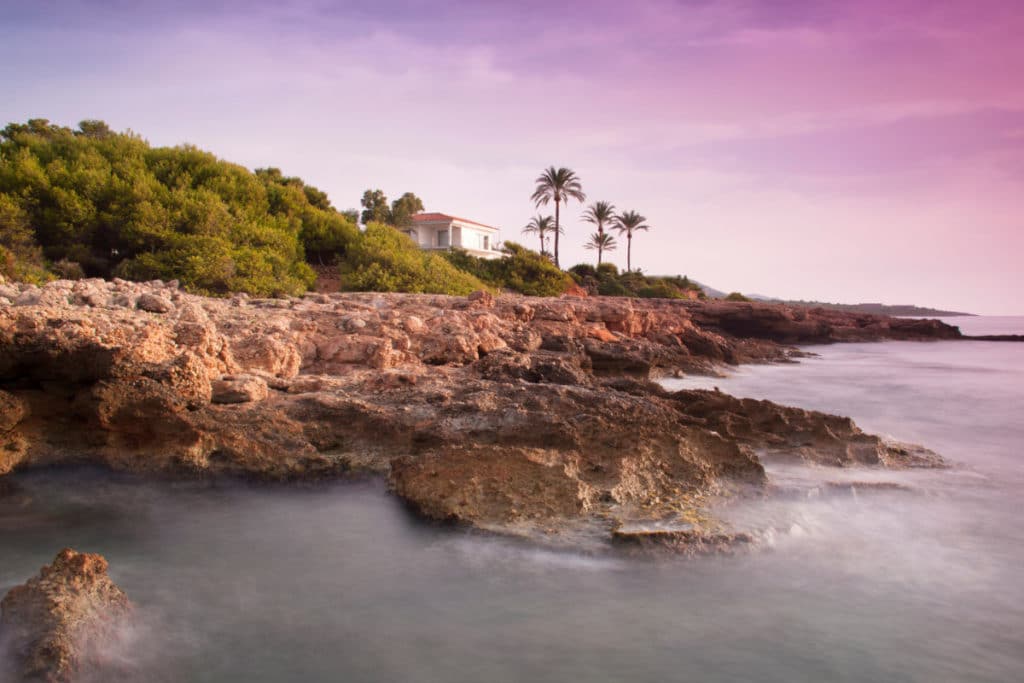
These two small coves are located within theSierra de Irta Natural Park. They can be considered unspoiled, but are difficult to access. Water shoes are recommended.
Cala Ferris
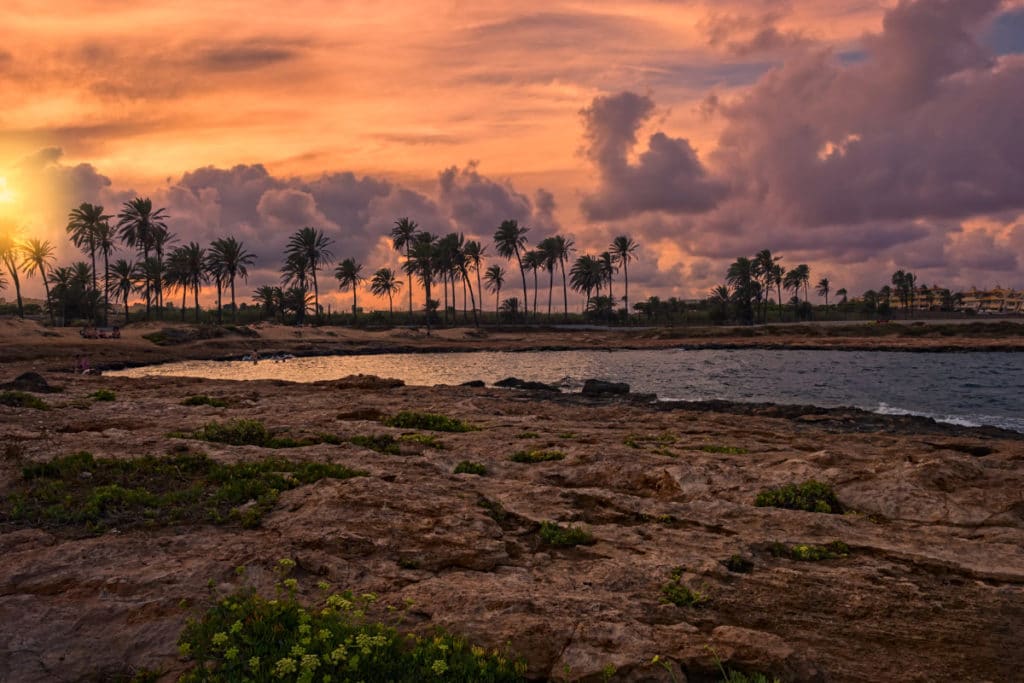
Small dunes and palm trees surround this beach in Torrevieja. It’s a magnificent spot for snorkeling thanks to its underwater Posidonia meadows and the abundance of fish that live here.

Possiblyone of the most famous coves. It’s locatedsouth of Xàbiaand is a pebble-and-rock beach accessed via a somewhat challenging road, but one that will gradually reveal the beach you’re heading toward. La Granadella has held theBlue Flag(awarded to Spain’s best-maintained beaches) for decades.
Cala El Pebret
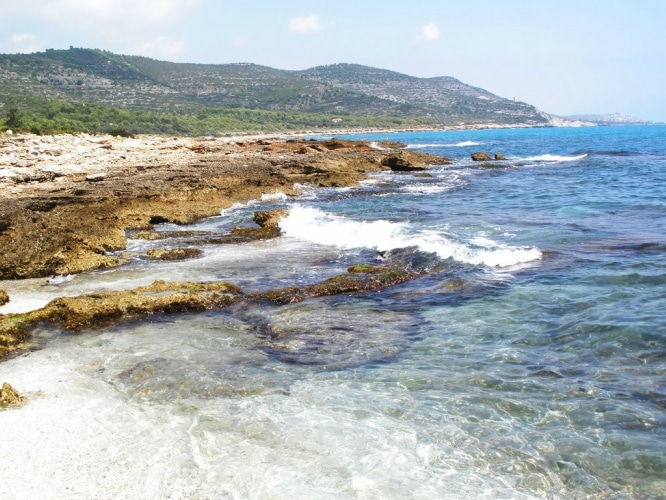
Quiet and spacious, it’s a great place to spend the day reading and meditating. We recommend going bybikeand taking a ride around the area to take in the stunning scenery. Be sure to bring yourbinoculars,too,as this is a bird sanctuary.
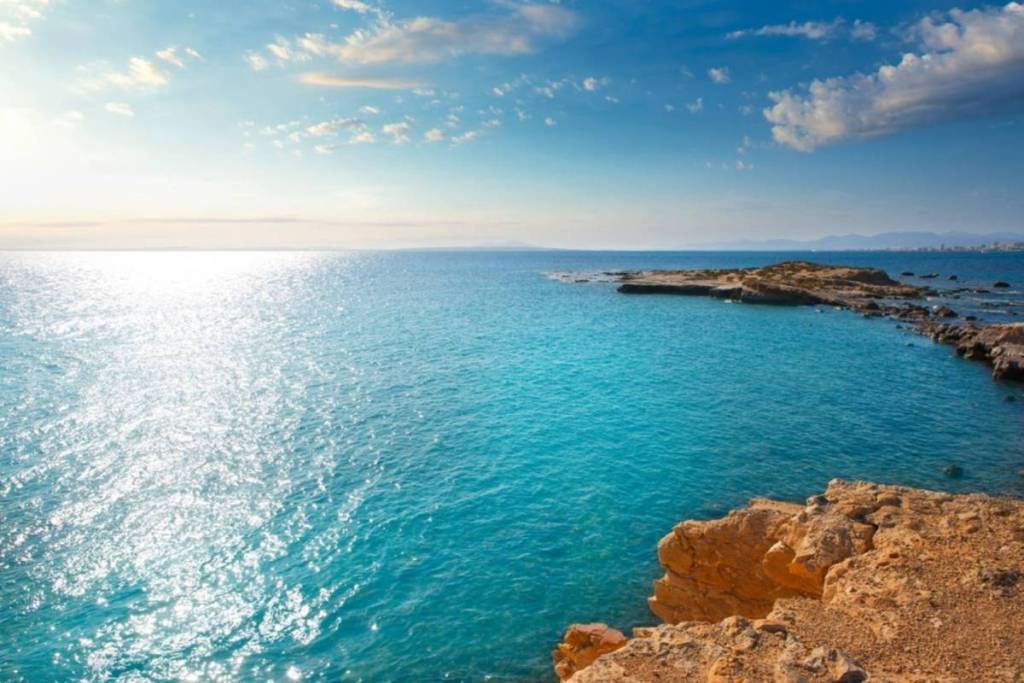
Theisland of Tabarcais anearthly paradisejust a short distance from the mainland. But the cove that steals our hearts is the one on the south side, with waters that rival even those ofthe Caribbean itself. Grab a lounge chair and enjoy the blue.