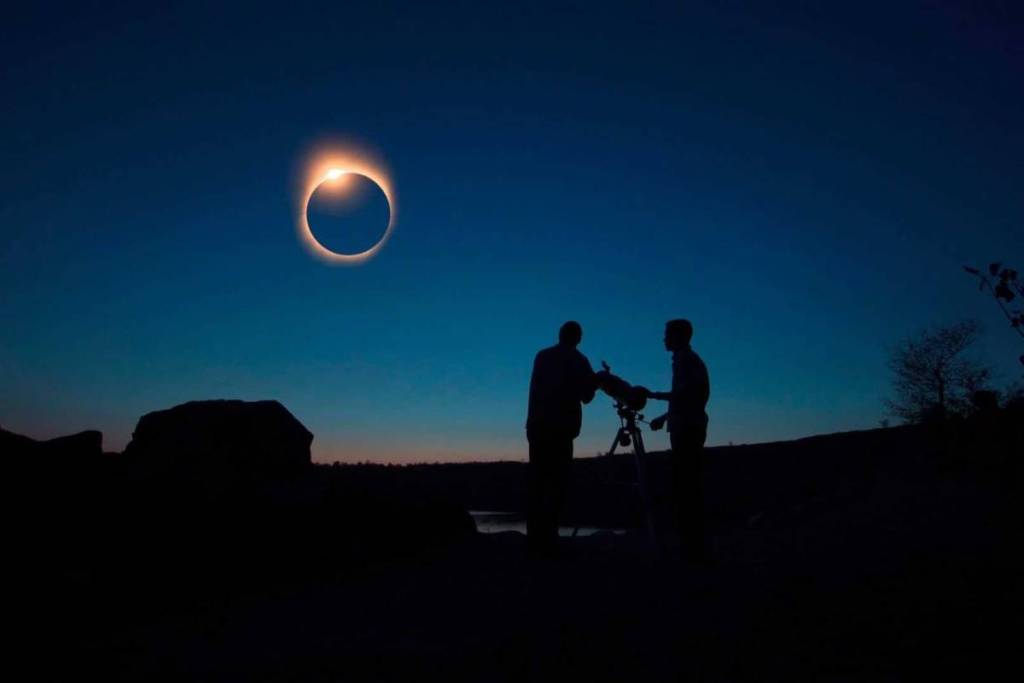

There are places that seem blessed by nature—whether for the beauty of their landscapes, the fertility of their soil, their unique wildlife, or even the presence of precious mineral deposits… but there are a few that have been granted an even greater gift: a special connection to the sky and the stars.
Today we’re telling you about a town an hour and a half from Valencia that belongs to this select group and that, by a twist of fate from the heavens themselves, has become one of the most privileged places to experience the solar eclipse on August 12.
Aras de los Olmos is a small village of 400 residents near the border between Valencia, Cuenca, and Teruel. Situated at an elevation of over 900 meters above sea level, it lies at the foot of the Muela de Santa Catalina—which rises to about 1,300 meters —where two of the most important astronomical observatories in the Valencian Community are located.
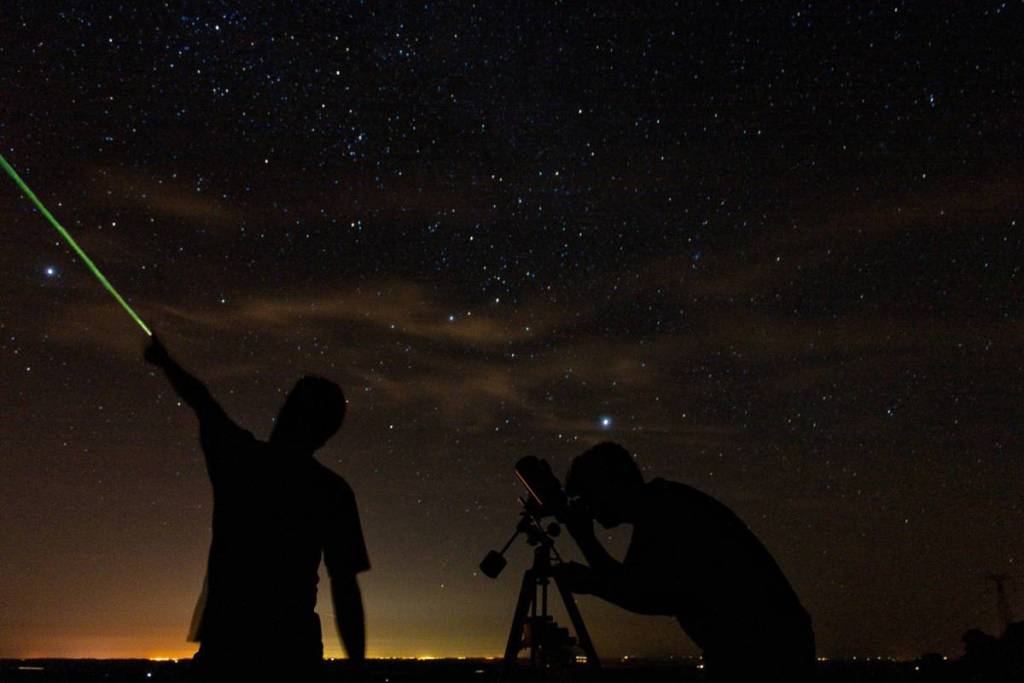
The views of the sky this place offers are so exceptional that the town is designated as a Starlight Destination, certifying it as one of the best places in the world for stargazing, according to UNESCO. This recognition helps us understand why the Valencian Regional Government has established one of the official eclipse viewing sites here and why the population of Aras is expected to increase fifteenfold on the 12th.
The complete absence of light pollution, the elevation of the plateau on which the observatories stand, and its location at the westernmost tip of the province make this an unbeatable spot to enjoy an eclipse at sunset.
How to get to Aras de los Olmos and the maximum capacity at the observation point
If you decide to visit Aras de los Olmos and enjoy the solar eclipse at the observation point located next to the astronomical observatories, you should keep two things in mind: the site is not accessible to people with limited mobility, and the approximate capacity is 5,000 people, so it’s recommended that you arrive well in advance and bring flashlights for after dark.
The drive to Aras de los Olmos from Valencia is simple and very straightforward: just take the CV-35, better known as the Pista de Ademúz, and follow that road until you pass through Titaguas. The route itself will lead you to the town, where you’ll need to park and continue on foot to the top of the Muela de Santa Catalina.
If you’re planning to stay overnight or eat in the area, we recommend booking as far in advance as possible, since there are very few spots left and prices have skyrocketed well above the usual rates.
Secrets of the Sky and Beneath Your Feet
This small town is a regular tourist attraction for astronomy lovers, but also for those passionate about ancient history. The entire region of La Serranía sits atop a prehistoric site where numerous fossils and dinosaur bones have been discovered.
In fact, right here in Aras itself, the skeleton of a Losillasaurus giganteus —measuring about 20 meters— was discovered; this species inhabited our planet some 145 million years ago. If you’re passionate about this topic, we recommend exploring the Losilla de Aras Geological Trail and visiting theAlpuente Paleontological Museum , locatedin one of Spain’s most beautiful towns, just 15 minutes away.