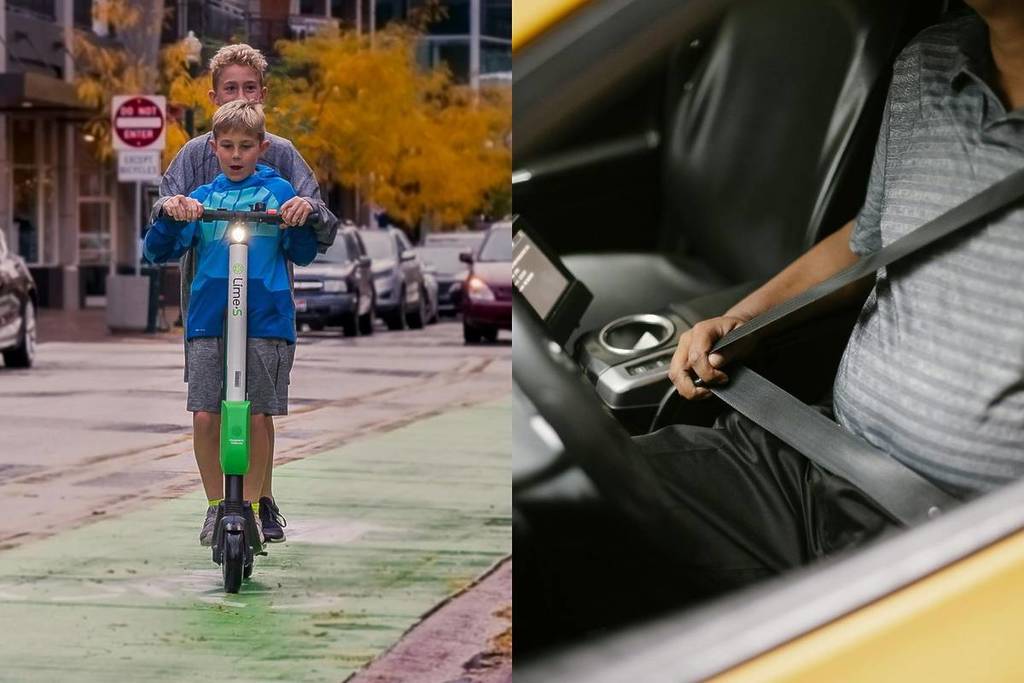
The Directorate General of Traffic (DGT) is about to complete one of its most significant modifications to the General Traffic Regulations. After almost five years of development and drafts, the text that will redefine mobility faces its last administrative stage before its implementation, set for January 2, 2026.
The main goal is clear: to reinforce the safety of the most fragile users on the asphalt, such as pedestrians, cyclists and motorcycle or scooter riders.
These modifications will have a direct impact on urban mobility in cities like Valencia, affecting all groups, from cab professionals to users of Personal Mobility Vehicles (PMV). We review the key changes to avoid surprises when the new year starts.
New requirements for PMVs and professionals
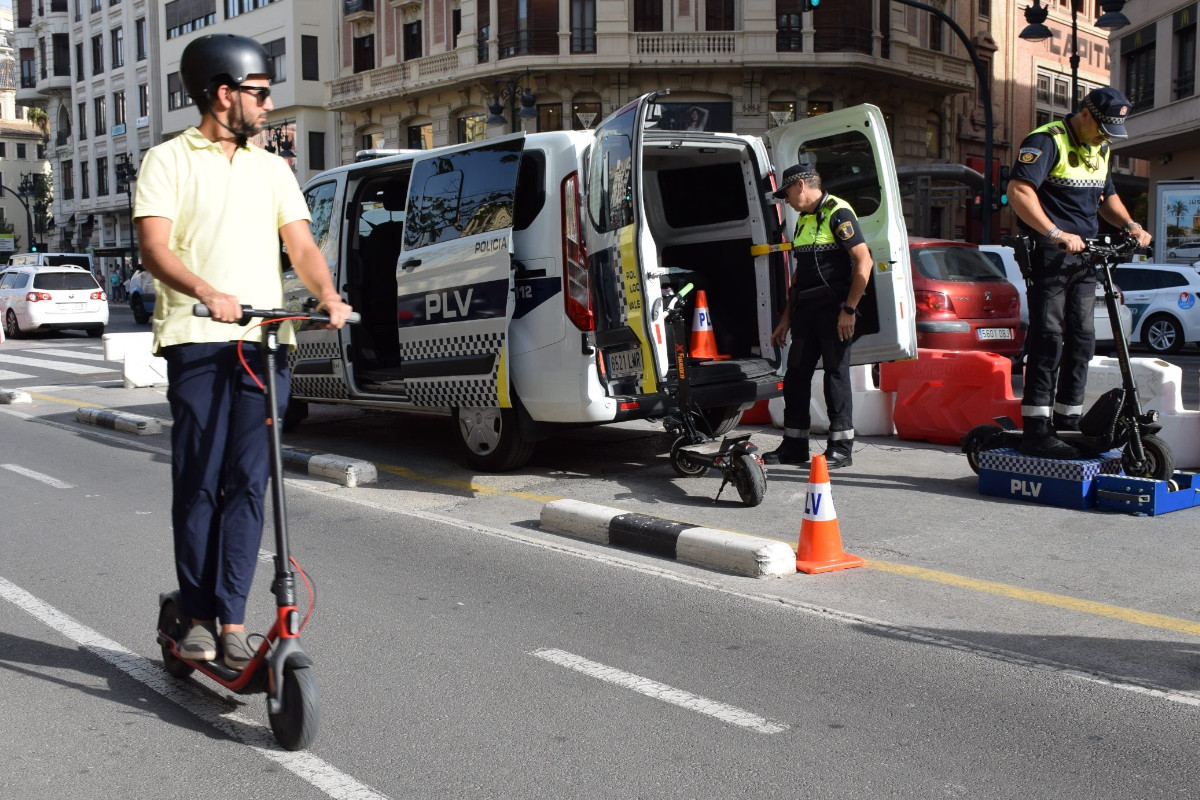
Perhaps the most visible change will be for electric scooters (VMP), which will have to circulate with lights on permanently, even in broad daylight (although a one-year moratorium will be granted after the approval of the regulation to adapt).
In addition, a classic exemption falls: cab drivers, goods delivery drivers and driving school teachers will have to wear seat belts at all times when operating on urban roads, eliminating the current permit.
On the other hand, those known as ‘riders’ (delivery drivers on bicycles, motorcycles or VMP) will also have to wear a reflective vest on interurban roads, extending the obligation that until now was limited to urban areas.
Focus on two wheels: motorcycles and bicycles.
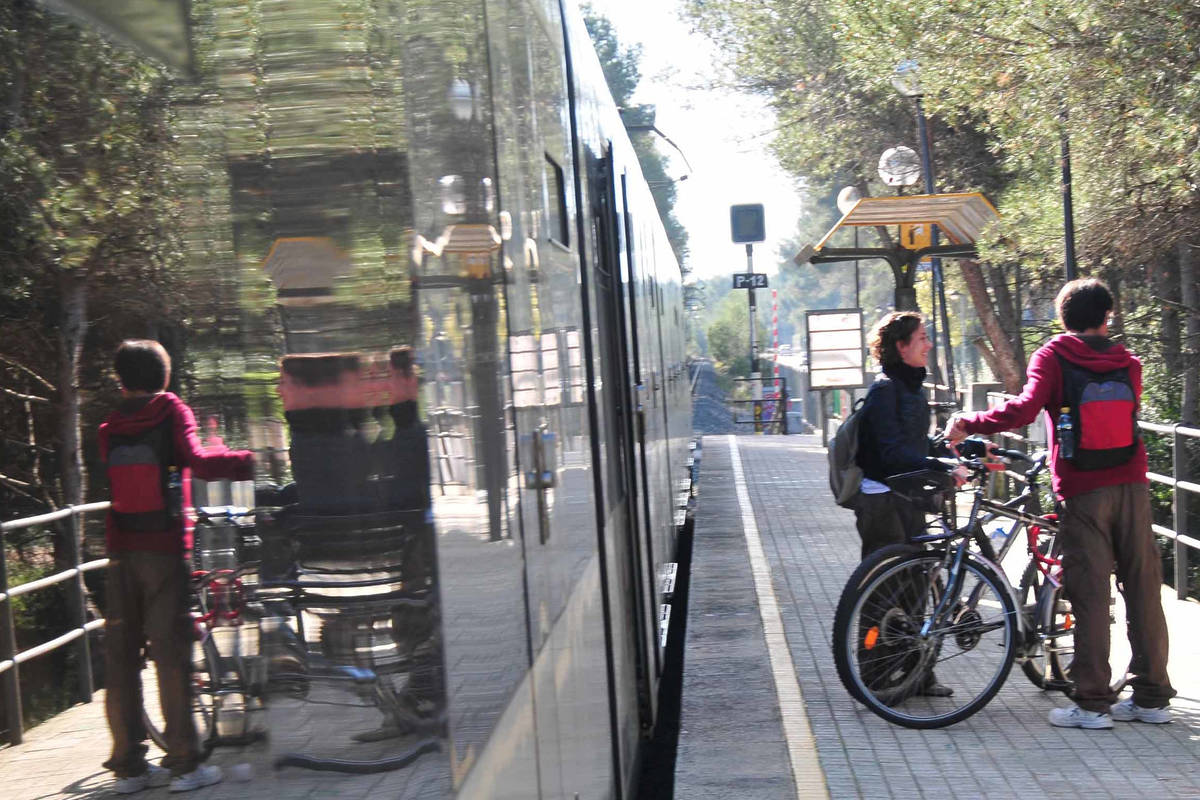
The new text specifies that, although the full-face helmet is not mandatory for motorcyclists, it is mandatory to wear it “properly fastened”. The great novelty is the imposition of wearing protective gloves and “closed footwear” when driving any motorcycle.
As for cyclists, it is ratified that they may ride “in a line of two” on the shoulder. However, one of the strongest measures is the suppression of the exemption for not wearing a helmet for “serious medical reasons”, which until now allowed to avoid it with a certificate. This total obligation also applies to moped and motorcycle drivers.
New distances for overtaking and parking
The DGT introduces a vital rule on the road: when overtaking a vehicle immobilized on the road (due to an emergency or breakdown), it will be compulsory to slow down at least 20 km/h below the maximum speed of the road. In addition, a lateral separation of 1.5 meters must be maintained, even if this means occupying the oncoming lane.
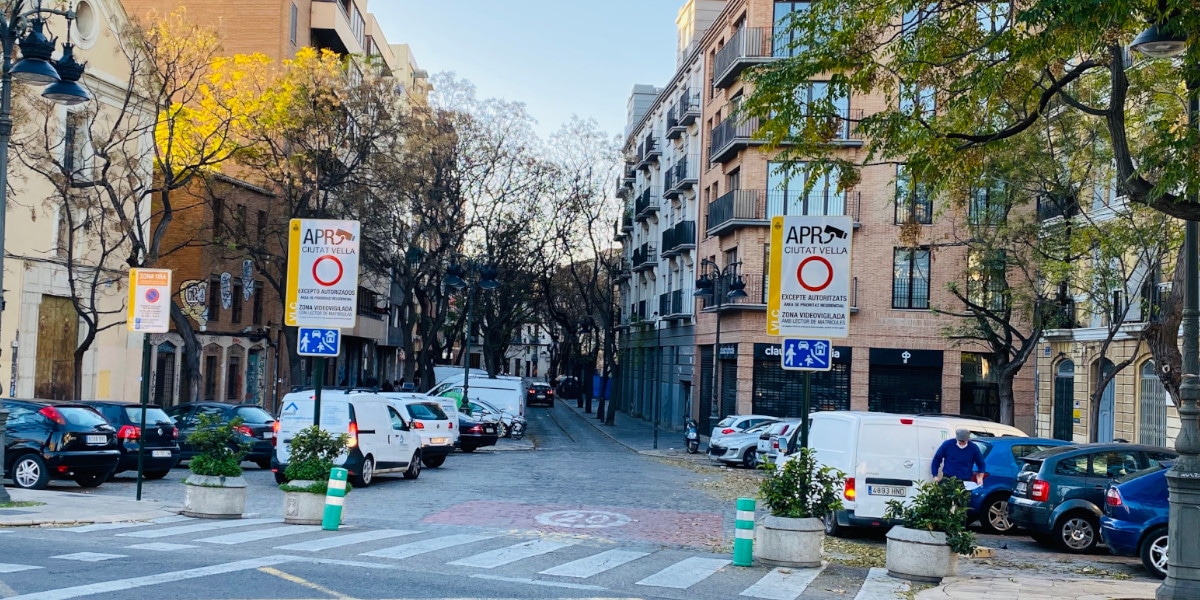
Finally, and with great repercussions in the city, stopping and parking near crosswalks will be banned. The rule seeks to prevent parked vehicles from compromising the visibility of pedestrians crossing.
City councils such as Valencia will have a period of two years to align their municipal ordinances with this state regulation.