
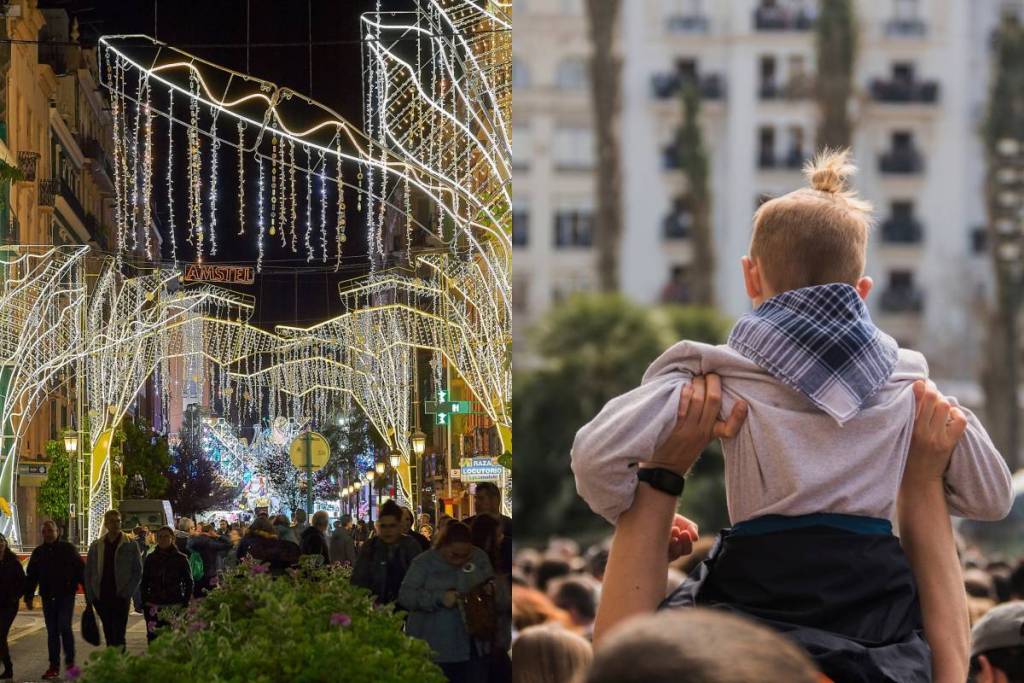

There may still be more than four months to go before the 2027 Fallas, but as we all know, in Valencia we begin preparing for next year’s festival the very moment the fire consumes the last ninot. Whether out of impatience or foresight, several new regulations and measures affecting noise, the sale of alcohol, animal welfare, and neighborly relations for the month of March were made public today through the Fallas Proclamation.
Valencia City Council and the Fallas Central Board continue to work toward reaching agreements that satisfy the administration, Fallas groups, and residents, although disagreement persists for the time being regarding the schedule for the Offering, which could last past 3 a.m.
Nighttime quiet hours and firecracker-free hours
The City Council’s main measure proposes limiting the setting off of firecrackers to certain times of day to ensure residents’ peace and quiet.
Several nighttime quiet hours will be established during which it will be prohibited to set off firecrackers such as: detonating thundercrackers, fountains, T1 wheelbarrows, and F2 and F3 combinations (all of which are likely to be used as the classic “borrachos”).
These time slots are as follows:
- March 7–12, from 10:00 p.m. to 7:30 a.m.
- March 13–19, from 2:00 a.m. to 7:30 a.m.
In addition, starting at 12:00 a.m. on March 20, setting off firecrackers will be prohibited, except during the Cremà ceremonies. Part of the opposition has criticized these restrictions, arguing that they won’t be enforced due to the lack of real penalties and that they are insufficient to curb “pyrotechnic tourism.”
Five Pet-Friendly Parks

The new decree also prohibits the use of fireworks of any kind in five city parks: the Espai Verd de Nazaret, Parque del Oeste, Parque de Benimar, Parque de Orriols, and Parque de Benicalap.
This measure aims to provide safe spaces for pets and prevent veterinary issues resulting from panic and acute stress in dogs and cats.
Sale of alcohol on the streets is prohibited
One of the most talked-about measures is the total ban on the street sale of alcoholic beverages. This new regulation primarily affects the typical “mojito stands” and food trucks that also sell alcohol.
In addition, a limit of twenty commercial permits per district has been established; in other words, there may be no more than twenty stalls at the Fallas markets. Of those twenty, only nine may be food stalls, and four of those may prepare their products on-site (the latter, moreover, may only operate from March 12 through 19).
The traditional buñuelos and churros stands are not included in this regulation and will have a much longer operating window, from February 28 through March 19.
Delay in the installation of the tents
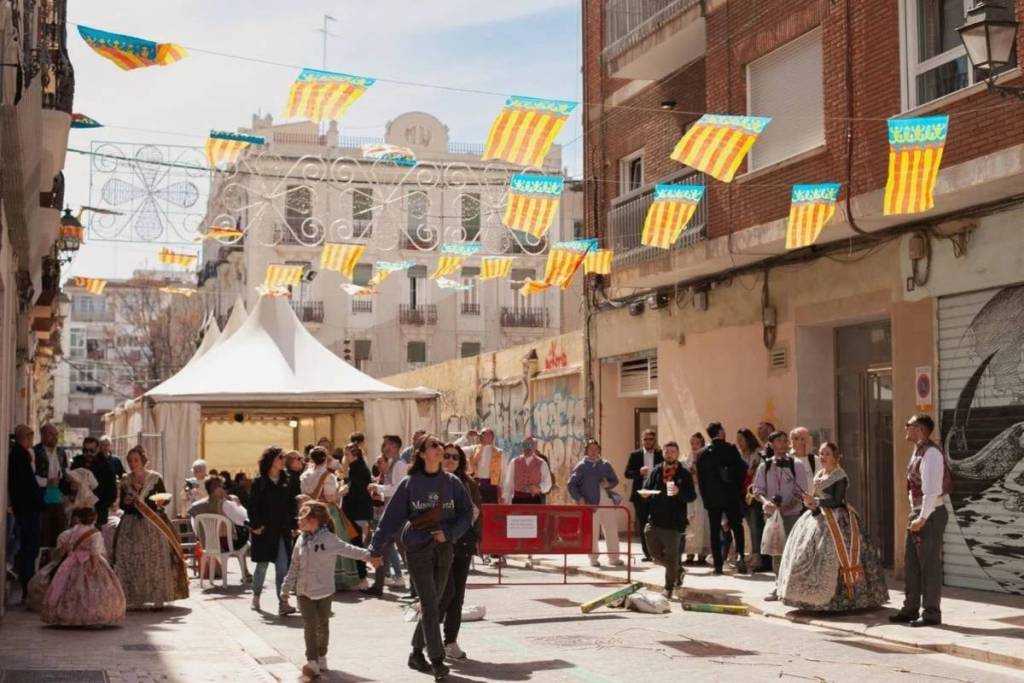
The Fallas festivities will kick off with the Crida on February 28, the last Sunday of the month, as is customary. However, the setup of the Fallas tents has been delayed and may begin on or after March 11.
Last year, the official setup date began six days earlier, but this year it has been postponed to ease urban traffic during the first week. Street closures will be permitted on an exceptional basis on Sunday, March 7, for committees wishing to hold meals and paella contests on public streets.
In addition, the arrival of trucks carrying parts of the monument (without blocking traffic) is authorized starting March 6 for the fallas in the Special Section and First A Section, and starting March 11 for the rest of the commissions. The general lighting ceremony is scheduled for Friday, March 5.
