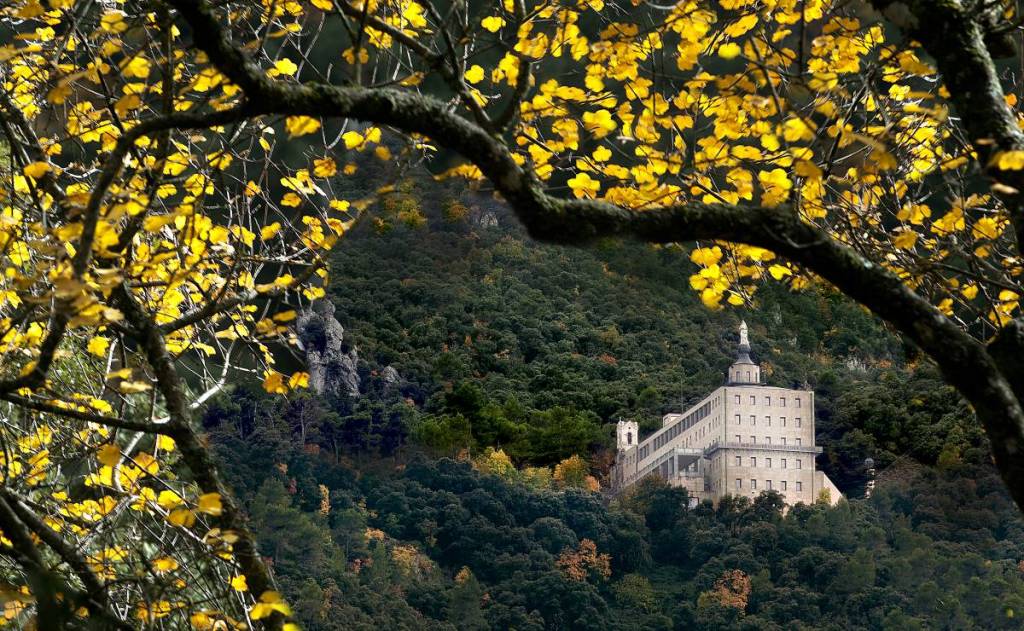

It’s no secret that the “Moors and Christians” festivities are a classic in many Valencian towns. Nor is it a secret that Alcoy is the capital and cultural hub of this festival. The designations of “Festival of International Tourist Interest” and “Intangible Cultural Heritage” set it apart as one of those places in our country that you simply must visit at least once in your lifetime.
But many people don’t realize that this town is much more than just its festivals, as evidenced by the “Municipality of Tourist Excellence” designation awarded by the Valencian Regional Government last Monday. Alcoy, known as the City of Bridges, is one of the key centers of Modernist architecture in all of Europe.
Even so, Alcoy’s richness extends far beyond its development during the 19th and 20th centuries. The municipality is surrounded by several natural parks that are perfect for a rural adventure or for unwinding.
In one of these areas lies a gem for history lovers: the cave paintings of La Sarga, an archaeological site declared a UNESCO World Heritage Site, dating back between 5,000 and 7,500 years.
It’s not the only historic site in the area; the archaeological sites of El Castellar, El Salt, and the Iberian settlement of El Puig are other places that hold many secrets about our past and are easily accessible from this town in Alicante. There’s a vast array of activities and places to discover just an hour and a half from Valencia.
What to See and Do in Alcoy Over a Weekend
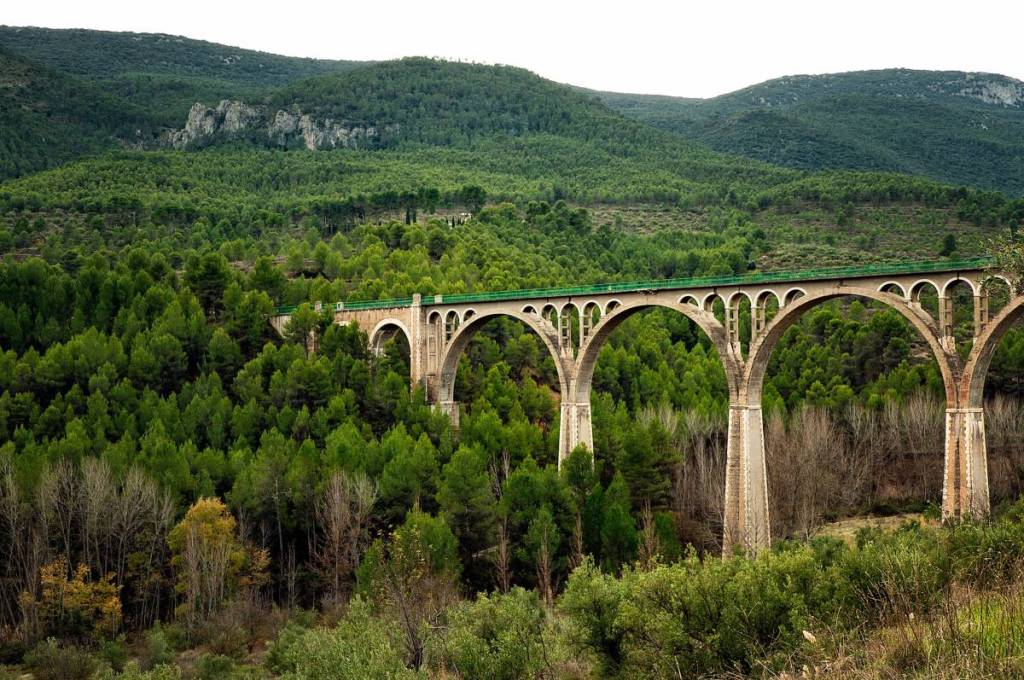
Alcoy offers a wide range of things to do and, above all, countless monuments and iconic buildings that you can enjoy while strolling through its streets. We recommend setting aside plenty of time to explore and not missing either the medieval city walls ( nearly 1,000 years old) or the Sant Jordi Bridge, especially at night.
Another must-do is the Modernist and Industrial Route, which will take you past numerous iconic buildings in the city, such as the Casa del Pavo, the Casa Laporta, and the Casa de Escaló. Other highlights include the Círculo Industrial and the former Bank of Spain building. It’s also possible to visit a Civil War bunker, though it’s not part of this route.
History lovers have plenty of options to explore, from the aforementioned cave paintings and Iberian archaeological sites to the Municipal Archaeological Museum and the Church of Sant Jordi.
If you’re looking for a rural getaway or a hiking trail, you can bike along the Vía Verde, visit the Serra de Mariola Natural Park, or the Font Roja Natural Park—in the latter, you can see the San Antonio Abad Cemetery, which is part of the European Route of Significant Cemeteries.